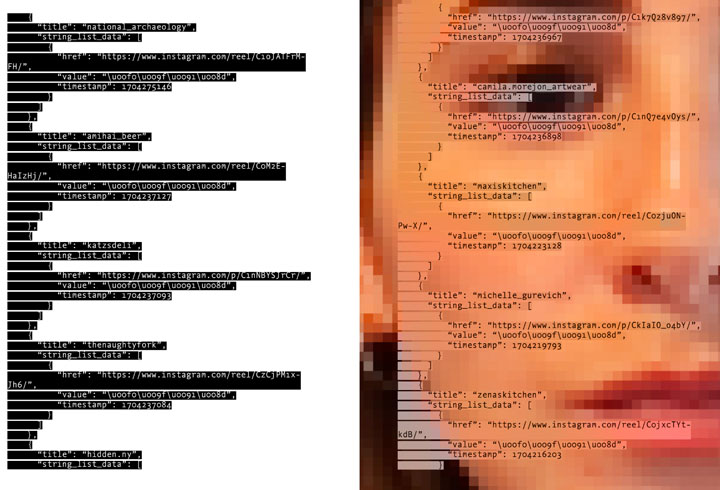
A Reflection on the Digital Reality We Inhabit
One of our students has perfectly encapsulated the problems of our present moment—and anticipated those of tomorrow—in an interactive book concerning death and digital memory.
I’m eager to share her project with you. But first, allow me to introduce her: Dar Rubinstein, born in Romania and currently based in Barcelona. She completed the Master in Creative Computing, and as part of her final project, she posed several questions to herself. One of them concerns the reality in which we now live in the digital world and how identity and memory exist within it.
The result is “Digital Afterlife”, a book that transcends traditional literature by enhancing the reading experience with augmented reality, allowing deeper engagement through scanning.
We continue to ask ourselves: Will the world divide between those who, upon passing, live on through their digital memory in the metaverse, and “more traditional” people who simply die “the old-fashioned way” without leaving a digital trace? Is it too presumptuous to be disruptive even in this? We could debate this endlessly.
The uncertainty surrounding how the second-oldest thing in the world will exist in the future is immense. The first oldest thing, incidentally, is life itself. Because to die, one must first be born.

Digital Afterlife
In the digital age we inhabit, you’ll surely agree with our student Dar that screens are replacing pages, and physical spaces are shrinking. Now we can exist as a “digital self” on screen. We exist in the metaverse. How? Through avatars.
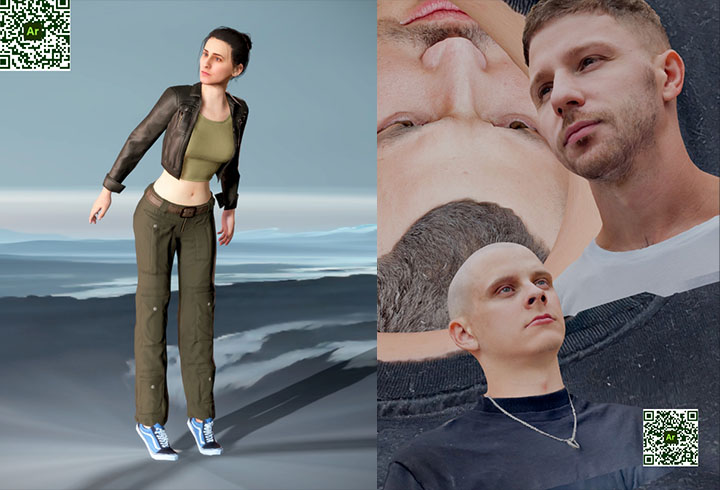
Following Dar’s explanation, avatars go beyond being mere visual representations of a person. They significantly influence how users interact with the metaverse. They are, in fact, digital embodiments that offer users a wide range of representational possibilities.
It’s curious because, at a popular level, there’s much joking about “the clothes your ghost will wear”. I remember when I was a child, my older sister would tease me about dressing strangely, saying: “If something happens to you, you’ll die in those clothes, and that’s what your ghost will wear for eternity. Are you sure you don’t want to change into something decent?” And I would change.
Now, one must genuinely consider what clothes their avatar will wear, as it will embody them digitally forever. Or perhaps not. One could design an entire wardrobe.
Returning to the matter at hand, Dar explains that users’ ability to customise their avatars allows them to represent their identity. This personalisation opens up creative possibilities and self-expression such that identity extends beyond physical appearance, clothing, accessories, or even forms that transcend the human. Moreover, avatars incorporate non-verbal or visual skills such as body language and facial expressions to convey emotion.
Thus, virtual environments become increasingly immersive, and the task of separating concepts like reality/virtual—and consequently life/death—becomes ever more complicated.
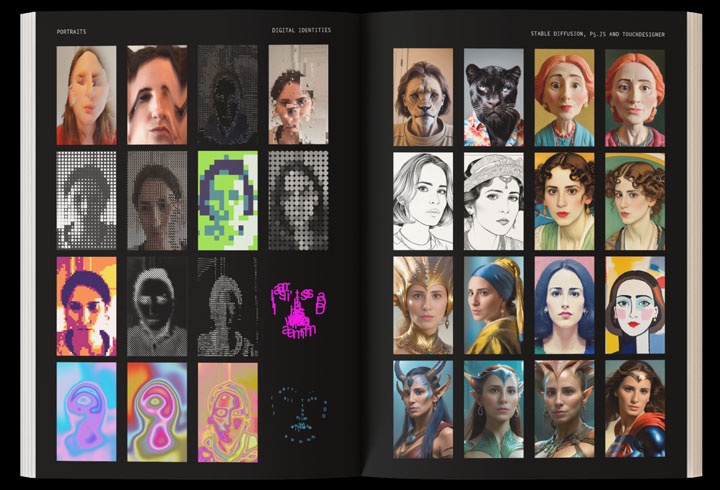
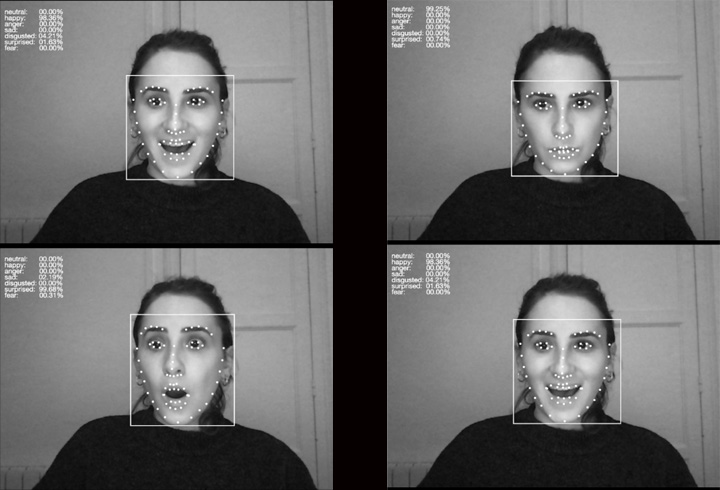
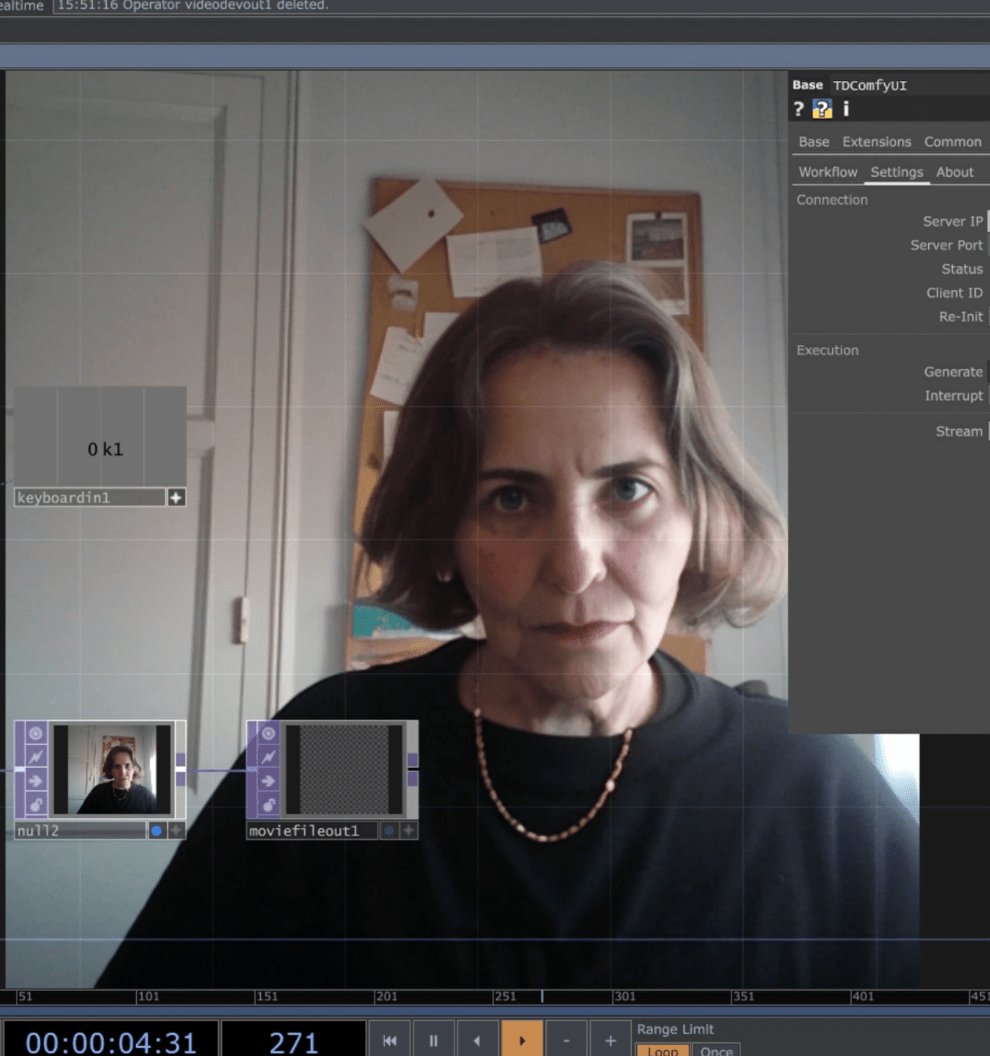
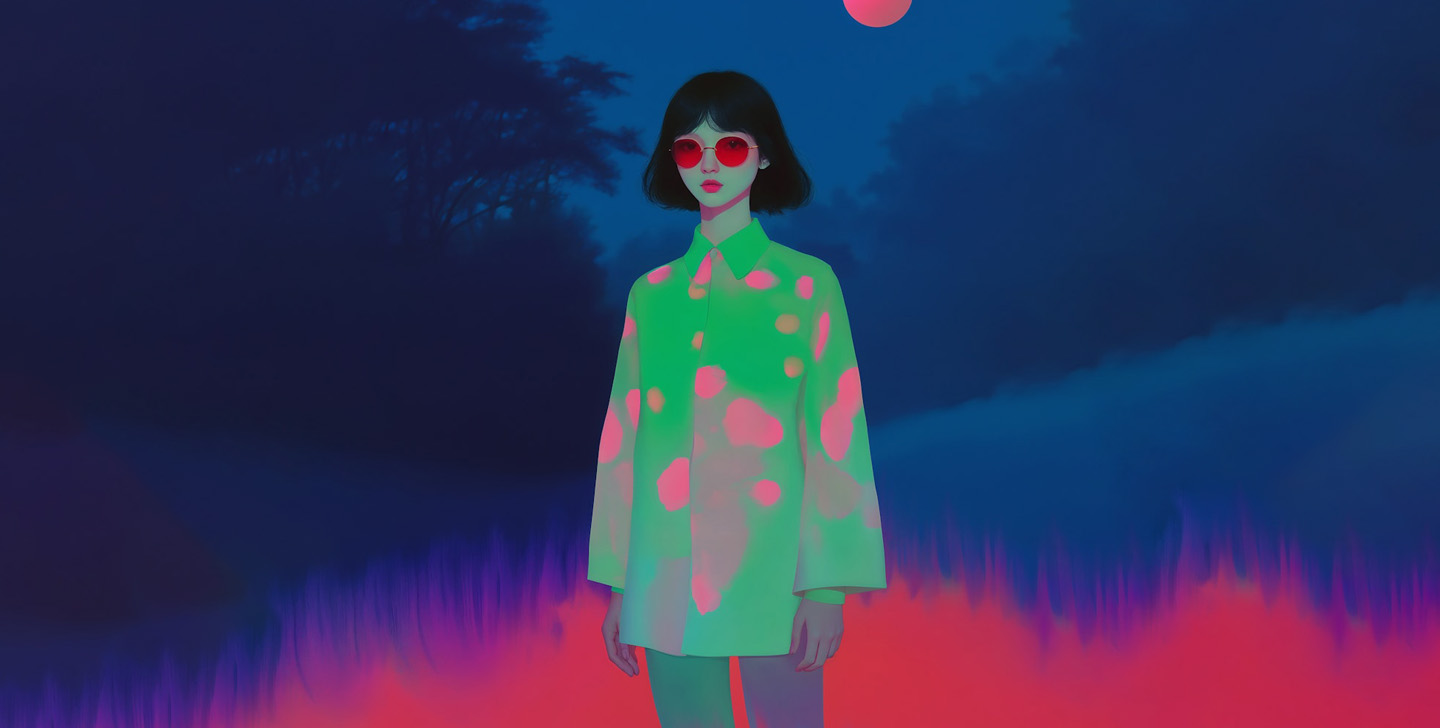
In this spirit of experimentation, our student created 32 digital portraits using various software and different approaches. On a more technical level, she leveraged creative coding through platforms such as p5.js and Touchdesigner. She also used ComfyUI, exploring imagination and fantasy, as we can see in the image above.
What we can create beyond the literal are ultimately symbolic representations that manifest alternative versions embodying aspects of personality. She also explored the possibility of anticipating the future and seeing “my older self”. She explains: “Stable Diffusion helped me visualise how I would look when older—it’s like being able to see the future, which prompted me to reflect that it’s not just about creating interesting images but about reflecting different aspects of myself as symbols that communicate who I am beyond typical photographs”.
Our Digital Presence and Death in This Era
Modern existence is characterised, amongst other things, by the vast amount of information that various platforms hold about our digital selves. Consider all the programmes you use, add social media, cloud servers, hardware… “Bytes and bytes of information that, individually, seem small, but when fused together define the most complex aspects of who we are”, notes Dar.
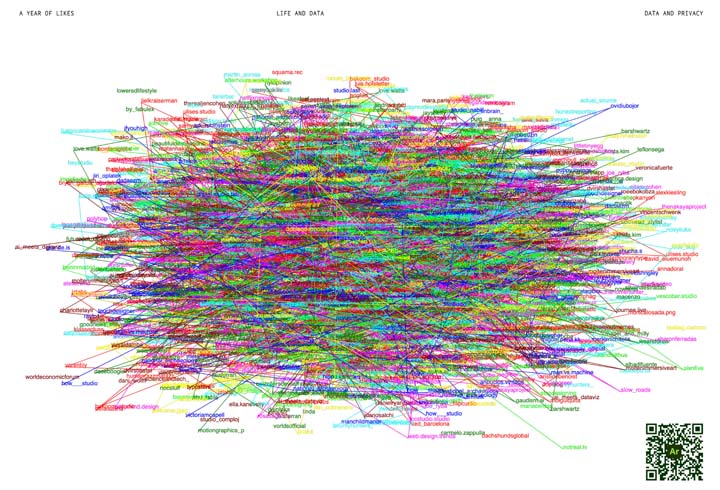
She continues by pointing out that our digital presence is determined by our collective online interactions, “reflections and memories that add weight and weave a network reflecting the complexities of our lives. A dynamic story encoded in binary code”.
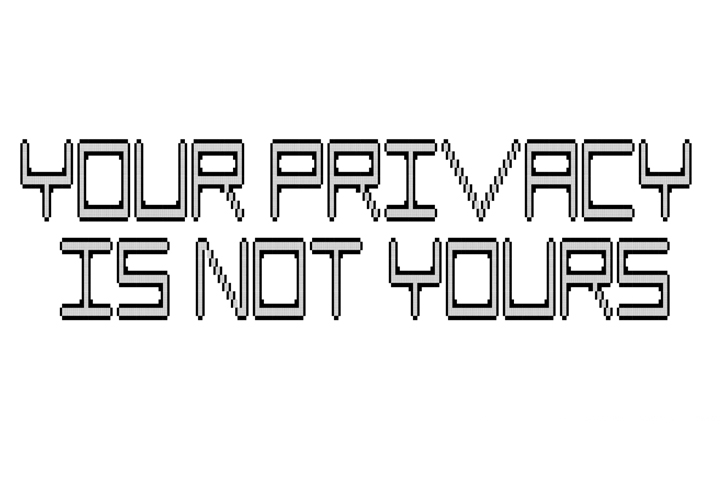
In this reality, companies acting as data intermediaries are often criticised for their lack of transparency, she continues, which raises questions about “responsibility and privacy”. What we know for certain is that this data is collected and subsequently sold, used for example in loan application assessments, personalised political messaging, targeted advertising…
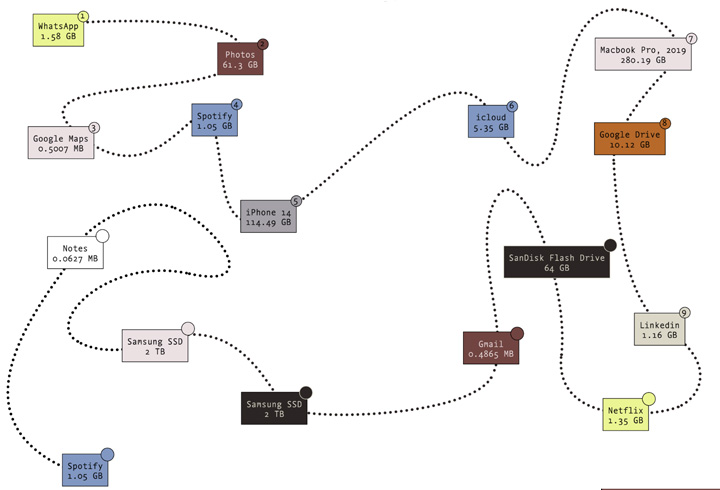
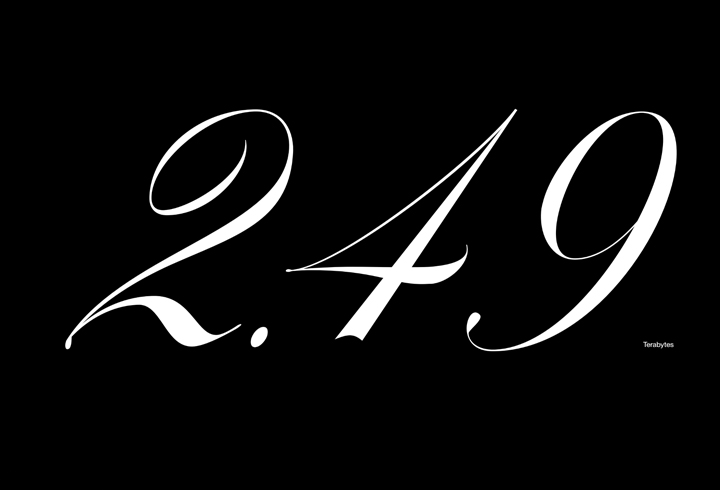
Beyond the fact that in the digital age we can share our grief on social media, it is equally significant that images related to death are widely available online. Yet the legal aspects remain complicated. Our student encountered the problem that there are no legislative initiatives regarding the inheritance of digital assets: “there is no uniform legislation to facilitate legacy and absolve corporations of liability issues”.
The idea of having to bequeath your digital identity to your heirs may seem jarring. You might even disagree with it. But what we can surely agree on is that death is a social event, so it’s hardly unreasonable to see it as natural “that a social media platform be used to commemorate this occasion”, Dar argues.
ETHERNALINK
Dar created a link within her Digital Afterlife project that directs you to a virtual space transcending traditional memorials. You can view it by clicking here.
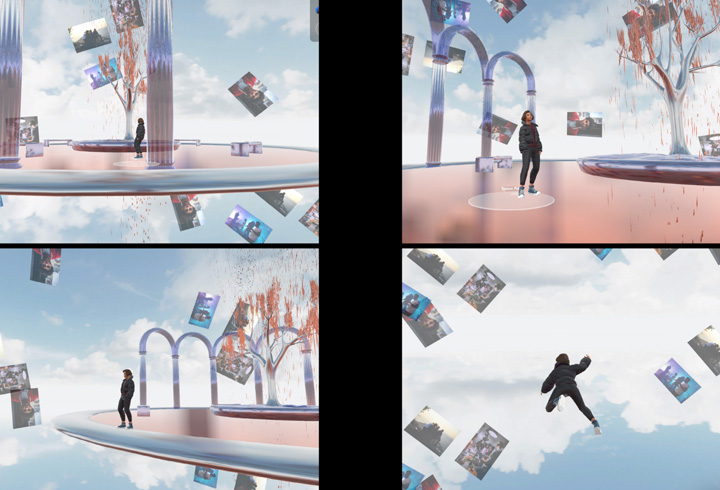
As you can see, it’s a dynamic platform where “users can create and share in a lasting way, fostering a sense of connection in the ever-evolving landscape of the digital age”. Our student defines it as a virtual world floating between heaven and earth, surrounded by images and memories. Regarding the design, she argues that “the tree not only symbolises our loved ones who have passed but embodies the essence of life and prosperity”.
To conclude, I’m sharing a video created by the student so you can explore her project in greater depth.