Who Lives in the Smart Home?
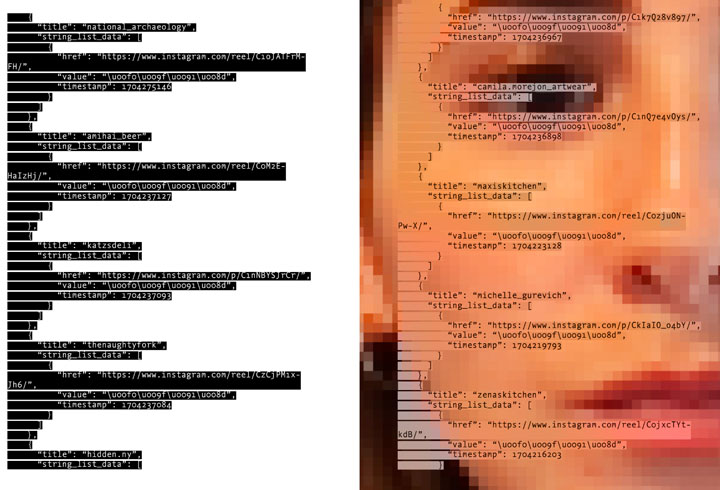
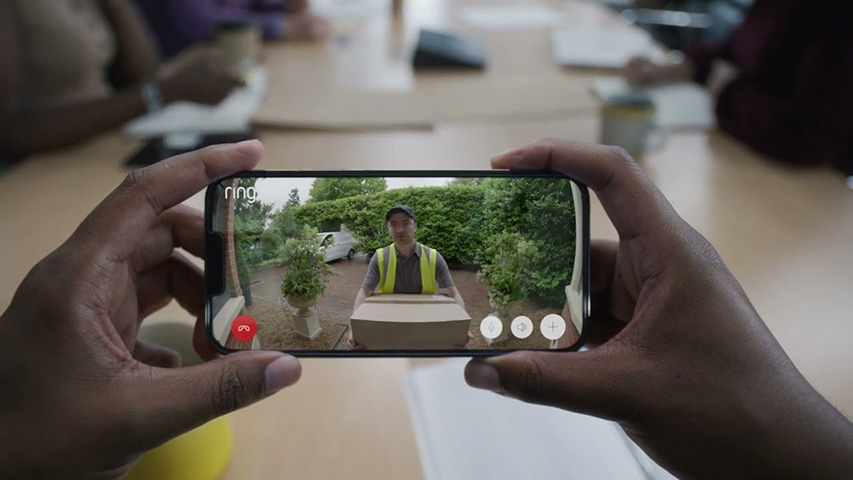
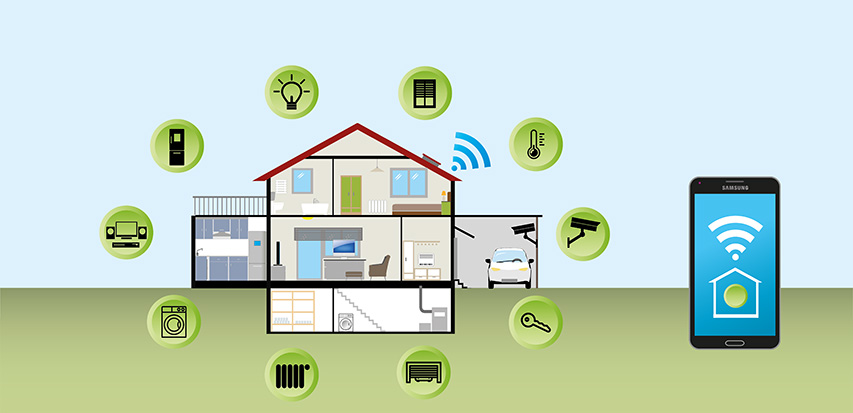
Ring is a telling example of the broader ecosystem of devices that feeds the smart home imaginary, an idealized lifestyle built around security and convenience. Sensors that regulate temperature, voice assistants that coordinate tasks, connected systems that automate routines. But what kind of home is taken for granted in these narratives?
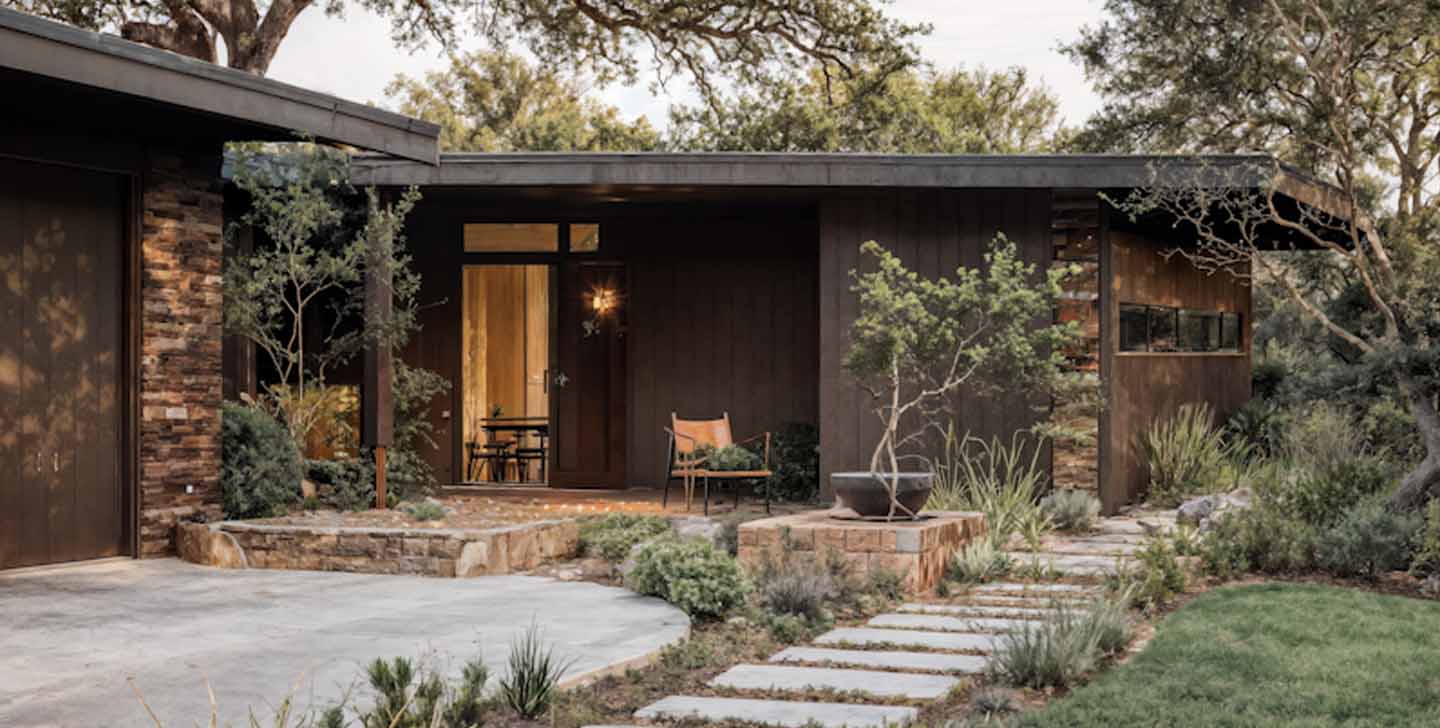
Most Internet of Things (IoT) devices are designed for households built on economic stability, property ownership, predictable routines, and clearly defined family units. The smart home is presented as a neutral category, yet it rests on a very specific and limited vision of how life should be organized.
What happens when income is unstable, when the boundaries between inside and outside are blurred, or when patterns of cohabitation do not fit neatly into a logic of efficiency? Designing for non-stereotypical homes forces us to rethink the usefulness of IoT devices and to revisit the cultural assumptions that shape domestic technology.
Designing Beyond Stereotypes
In recent years, some designers and researchers have begun to question these underlying assumptions. One example is the study Alternative Avenues for IoT: Designing with Non-Stereotypical Homes, developed at the University of Washington, which proposes reimagining domestic IoT from the perspective of households that do not match the model of the affluent nuclear family with children.
The research team worked with sixteen people living in contexts far from what is considered normative and invited them to design devices tailored to their real needs. Divorced parents, housemates, and people living in mobile homes envisioned technologies that reflected the specificities of their daily lives.
The results were revealing. One participant designed a system to reflect sunlight from a nearby park into the semi-basement apartment where she lives. A couple living in a van imagined a device that could display the tracks of animals approaching the vehicle while they slept. Another participant devised a system that would send photos of birds eating fruit from community trees, encouraging neighbors to harvest it in time.
In these examples, the home does not appear as a sealed container but as a porous space where neighbors, surroundings, and even animals are part of domestic life. Home technology moves beyond a narrow focus on efficiency and automation, making room for diverse needs and even playful motivations.
An Artist as Your Alexa
If academic research expands the conceptual frame, artists such as Lauren McCarthy approach the smart home from a radically experiential angle. In her project LAUREN, the American artist becomes a human version of Alexa. She installs cameras, sensors, and connected devices in a home and, for several days, takes on the role of voice assistant, controlling the house remotely and responding to the requests of its residents.
LAUREN can turn on lights and unlock doors, but she can also observe and make decisions that affect domestic life. In an interview with The Guardian, McCarthy explained: “I slept when they slept. I’d take my laptop with me to the bathroom. Emotionally, it was exhausting, trying to think about who they are, what they wanted”.
At the same time, the people on the other side of the interface, aware that a human rather than a machine was responding, proved far more patient and understanding than they would likely have been with an automated system. Some even apologized to the artist for asking so much of her.
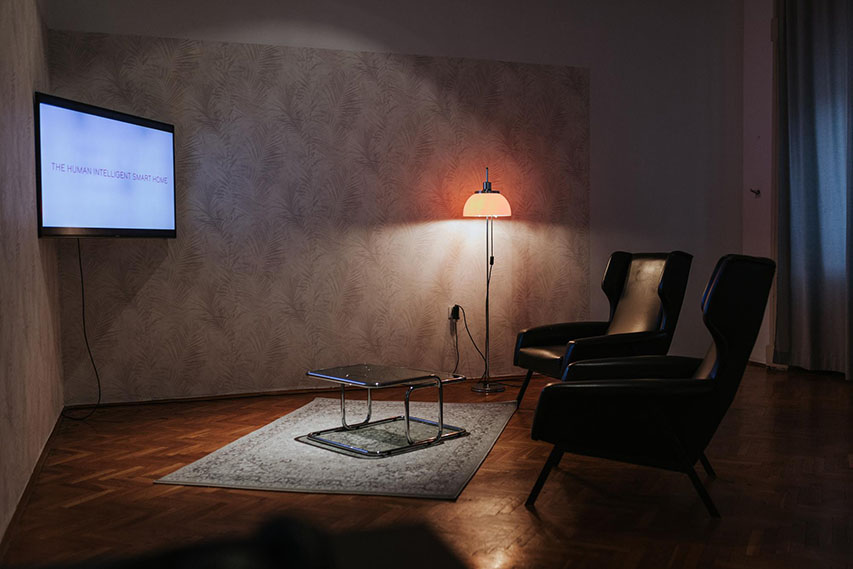
The LAUREN performances were documented on video, and the project has taken different forms over the years. In each iteration, it exposes tensions at the heart of the smart home: how the promise of convenience can reshape our intimacy and our capacity to decide, and how behind apparent automation there is still human labor that often remains invisible.
Rethinking Connected Life
Both the University of Washington study and LAUREN shift the focus from the technical to the cultural. Questioning the smart home model does not mean rejecting domestic technology. It means recognizing that every connected system carries a particular worldview and a specific way of relating to it. When designing IoT, we should ask what we want to automate and why, which habits are reinforced, and what we mean by “normal.”
In this context, fields such as Creative Computing and design fiction play a key role. It is not only about mastering the technical possibilities of sensors, boards, or connected systems, but about using them to experiment and open up spaces for reflection. Designing a home device may be relatively straightforward. The real challenge is identifying which needs it addresses and how it can genuinely improve other people’s lives.