Books on Screen Design
Information overload and misinformation are often two sides of the same coin. One can easily lead to the other. So, how do we organize the chaos and create meaning by simply showing, rather than just telling? Infographics and graphic design allow us to uncover realities that might otherwise go unnoticed. They make information digestible, quick, and easy to understand through a new visual narrative that is essential in today’s world.
With these five design book recommendations, you will gain a global perspective on what screen design looks like today and the trends that are steering the industry.
1. Visual Complexity: Mapping Patterns of Information, by Manuel Lima
In Visual Complexity: Mapping Patterns of Information (Princeton Architectural Press, 2011), Manuel Lima describes the fascinating shift in how we represent data, moving from the traditional “tree of life” hierarchies to complex networks. He ultimately focuses on the infinite interconnections of the blogosphere, news cycles, social media, and platforms like Wikipedia.
This web design book reflects the complexity of our current era. It portrays the map of new interconnections and illustrates how these networks help us interpret the functioning of the modern economy.
A new graphic language with distinct visual properties is born from this new way of communicating, understanding, and explaining reality. These visual functionalities go beyond innovative statistics and algorithms: it is a visual language that utilizes systems of colour, shape, line, hierarchy, and composition that resemble a modern alphabet.

2. Infographics: The Power of Visual Storytelling
The book Infographics: The Power of Visual Storytelling (published by John Wiley & Sons, 2012) is another excellent resource to help you design for the screen. It breaks down the fundamentals of creating these pieces. Visual content has become the undisputed star of social media due to its communicative efficiency.
In fact, data visualization (whether static, interactive, or motion) can be applied in various ways:
- Editorial infographics: Adhering to the highest journalistic standards.
- Brand-centric infographics: Used for product instructions or data visualization interfaces. This allows for the rapid transformation of data into information, grouping it to recognize trends, patterns, and correlations to easily extract knowledge and conclusions.
In short, this book focuses —in a very didactic way— on how to build visual solutions for communication problems through utility, soundness, and beauty. Finally, it dedicates a section to the future of this form of storytelling, emphasizing democratized access to creation tools as well as socially generated visualizations: living, shared creations.
3. Malofiej International Infographics Awards
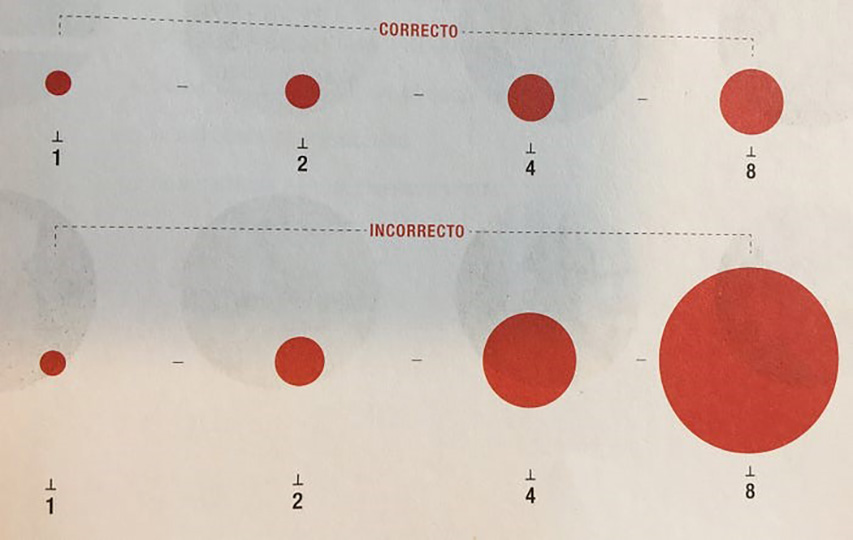
Inspiration for web design is always welcome, and international awards are a fantastic place to find it. They offer a quick way to broaden your view of the world. Every year, the best infographic artists gather in Pamplona (Spain) for the Malofiej International Infographics Awards. Named in honour of the Argentine cartographer Alejandro Malofiej, these awards have become a benchmark in the sector and the perfect excuse to compile a collection of the winning works.
While the awards are separated into two modalities —printed graphics and online graphics—, you can appreciate excellence across various categories, including breaking news, features, portfolios, special reports, and promotional pieces.
4. An Introduction to Information Design, by Kathryn Coates and Andy Ellison
In An Introduction to Information Design (2004), Kathryn Coates and Andy Ellison provide a guide to truly understanding information design, its purpose, and the different forms it takes.
Topics such as usability, audience, how to present information, and the different solutions and formats that web designers have at their disposal are the DNA of this book. Of course, it never loses sight of legibility and flow to ensure that the message is communicated clearly and without ambiguity in the appropriate media.
In this web design book, there is also room for experimentation and unforeseen results —which are part of any creative process— rounded off with practical case studies.
5. Design for Screen
We finish with three specific examples found in the book Design for Screen (Promopress) to follow the mantra of “Show, don’t tell.” Sometimes, seeing a sample is more useful than the lengthiest explanation.
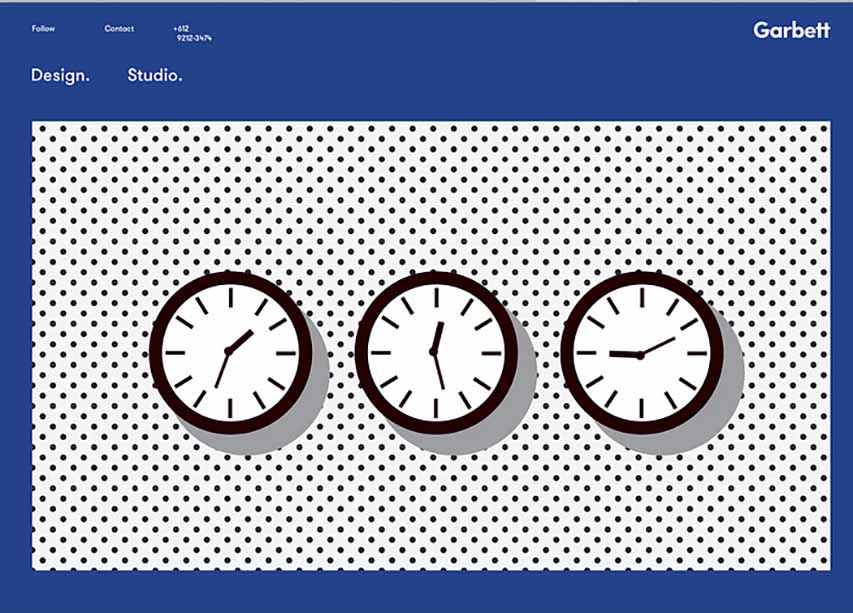
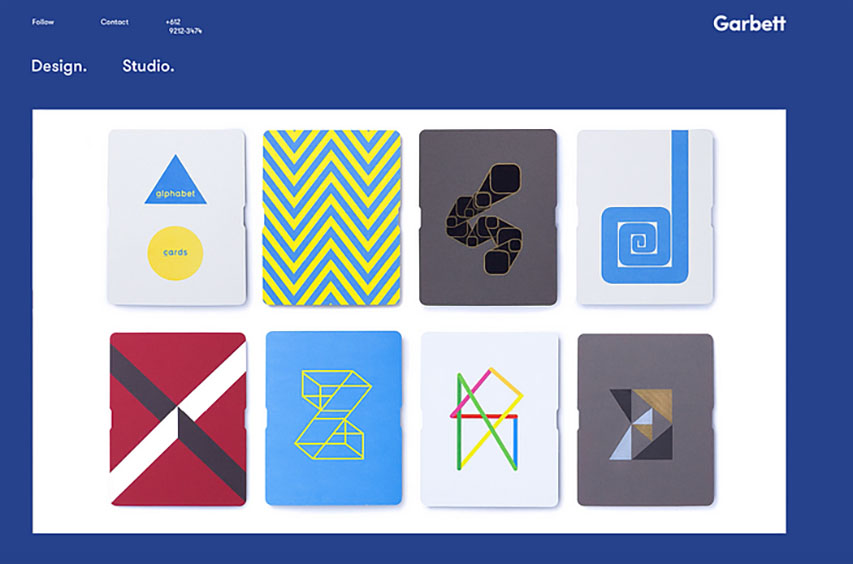
First example: Garbett
One of Australia’s top agencies. Their website offers a great user experience thanks to colour blocks that aid in instant visual attraction.
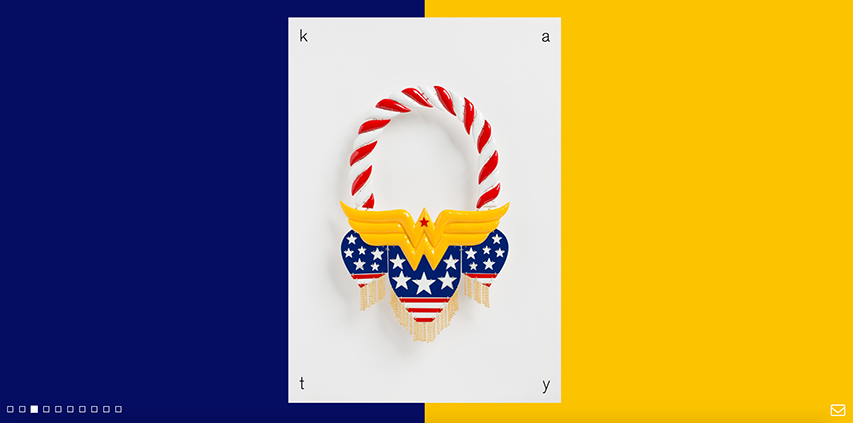
Second example: Fanny Agnier
This is a designer jewellery website that mixes jewellery divided by colours within a classic, timeless framework and a clean, artistic atmosphere. By scrolling, visitors can quickly move from one page to another while retaining all the information.
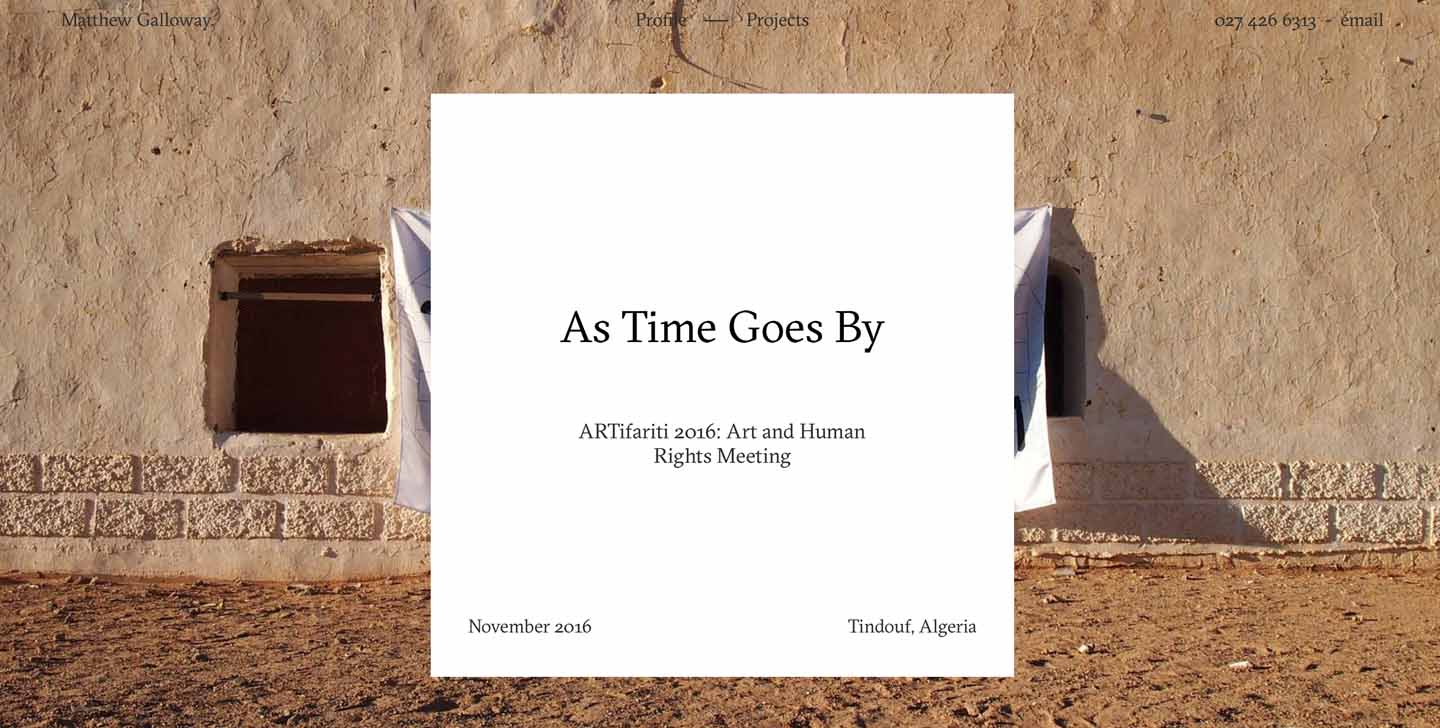
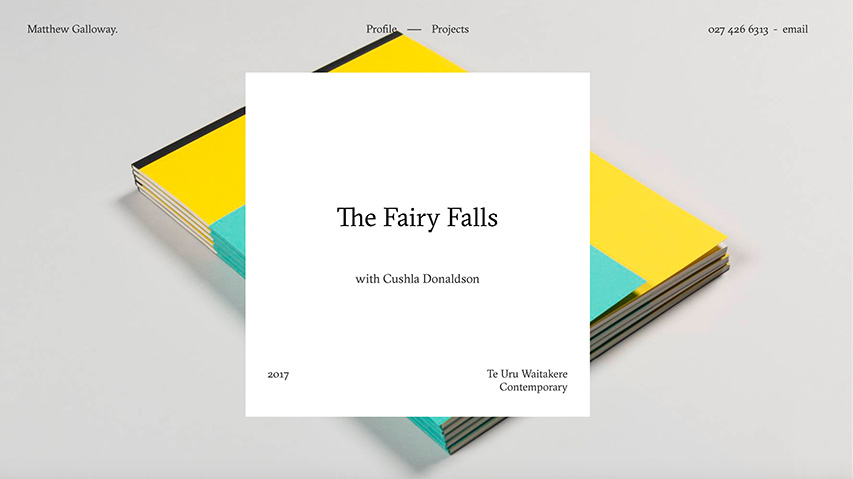
Third example: Matthew Galloway
A writer and designer whose website serves as a creative portfolio. The visual language is deeply embedded in his style. The layout is elegant, resembling a magazine, immersing the audience in his art.
Learn Web Design from Scratch
Inspiration is everywhere, and you never know where you might find it. Perhaps these five web design books will give you an idea or two as you forge your path through the mysterious road of creativity. After all, creativity is as much a part of digital strategy and design as it is of screen design itself.