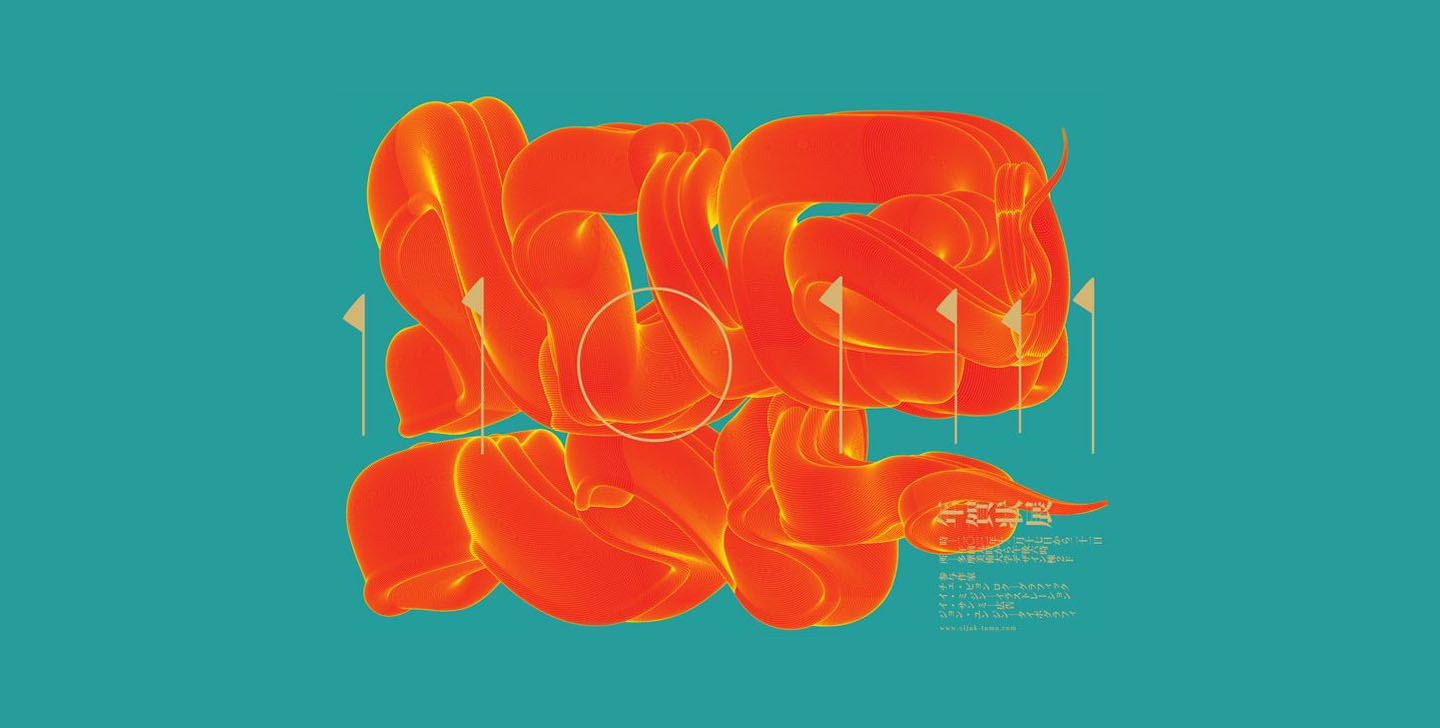
An Artist, a Communicator, or a Problem Solver?
So what exactly is a graphic designer? A visual problem solver. Their mission isn’t to decorate. It’s to communicate. They use elements like typography, color, imagery, and composition to build a message that’s clear, coherent, and effective. Think of them as an architect: they don’t just put up walls, they design functional spaces that respond to a real need.
In the same way, a good graphic designer doesn’t just create an attractive logo. They build a visual identity that conveys a brand’s values and connects with its audience on a deeper level. Their work is the visible face of a strategy, the bridge between concept and user perception.
Who's Who in the Visual Universe?
The creative universe is full of fascinating profiles, but it’s essential not to mix them up. Each one has its own superpower. A graphic designer is a specialist in visual communication, but their field overlaps with other roles. Let’s draw the lines:
Art Director: The Orchestra's Strategist
While a graphic designer focuses on executing and creating visual elements, the art director takes a more holistic view. They’re responsible for the conceptual and aesthetic coherence of an entire project, whether it’s an ad campaign, a film, or a magazine. They lead a team of creatives (including designers) to make sure the final result is a cohesive, powerful whole.

Illustrator: The Storyteller with a Brush
An illustrator is an artist who creates original images from scratch. Their work is more authorial and centers on telling a story or evoking an emotion through their unique style. A graphic designer may incorporate illustrations into their projects, but their specialty isn’t creating them. It’s integrating them strategically into a larger composition.
Editorial Designer: The Master of Structure and Readability
This profile specializes in the layout and composition of long-form publications like books, magazines, or catalogs (both print and digital). Their obsession is readability, information hierarchy, and the reading experience. Although they share composition principles with the graphic designer, their battlefield is the structure of large volumes of content.
Beyond the Adobe Suite: The Skills of a Graphic Designer
To thrive in today’s competitive landscape, a graphic designer needs a well-stocked toolkit. Good taste alone won’t cut it. You need a combination of technical and human skills that separate the amateur from the indispensable professional.
On one hand, there are the Hard Skills, the tools of the trade: full command of the Adobe Suite (Photoshop, Illustrator, InDesign is the holy trinity), solid knowledge of color theory, typography, and composition, and increasingly, a grasp of UI/UX design (User Interface and User Experience) and Motion Graphics.
But the Soft Skills are what will make you unstoppable: communication to defend your ideas in front of a client, critical thinking to solve complex problems, adaptability to ride the waves of new trends, and above all, an insatiable curiosity that keeps you learning nonstop.
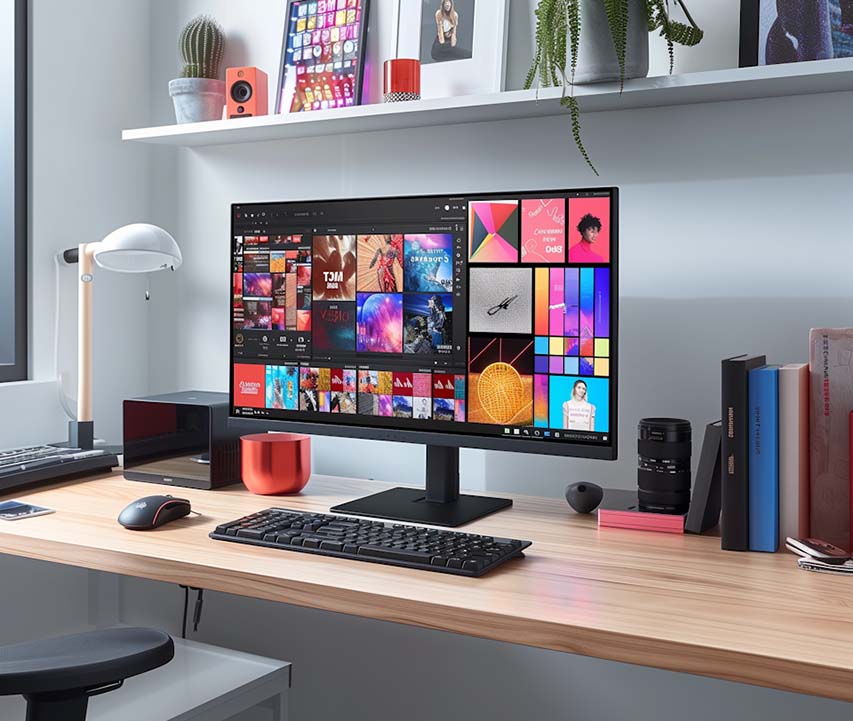
The Elephant in the Room
Is Artificial Intelligence coming to steal the graphic designer’s job? The answer is a resounding no. AI is not a substitute for creativity, strategy, or human empathy. It’s an incredibly powerful tool. A graphic designer who knows how to use AI becomes an augmented professional, capable of generating ideas at breakneck speed, automating repetitive tasks, and exploring visual paths that were previously unthinkable. AI is the best copilot a creative could wish for, freeing up time so they can focus on what truly matters: strategy and concept.