11 Key Steps for Creating Motion Graphics
1. First, Choose Wisely
A project like this will take hours. Real hours. So, one of the most critical steps is to pick a topic that genuinely fascinates you. If you don’t, you’re at risk of growing bored and abandoning it forever.
2. Creation Isn't Copying—It's Combining
Knowing how to create motion graphics isn’t just about mastering basic techniques, but also knowing how to combine existing elements to generate something new. Just think about the lollipop. On one hand, you have candy. On the other, you have a stick. And then, you have a genius who thinks of putting them together. Candy on a stick. It seems simple, and it is.
3. There's Only One You
Looking for references is key. Let yourself be inspired, lean on ChatGPT, Midjourney, or Dall-E, but don’t be fooled. The only way to make a truly unique motion graphics project is to make it your way.
4. A Great Story Keeps People Awake
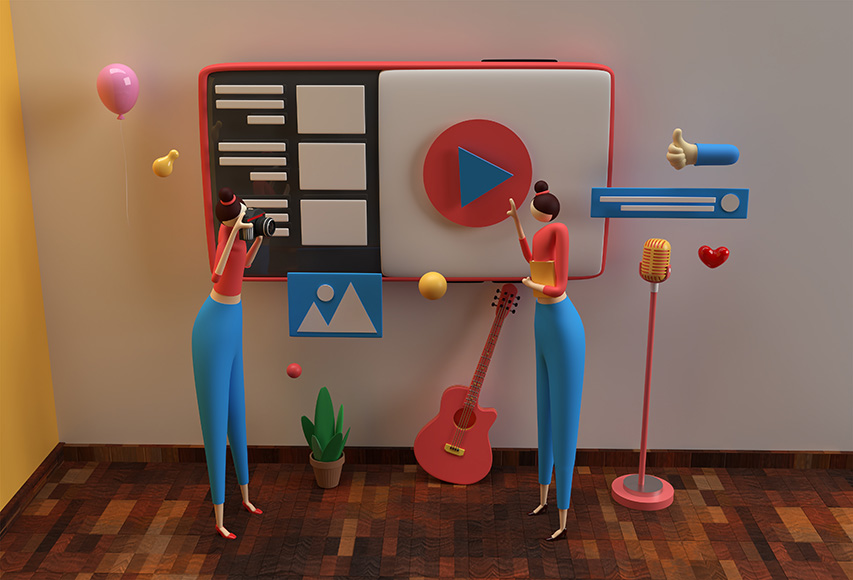
The purpose of motion graphics is to tell a good story. Because good stories are what activate an audience. They move people to do what we’re asking them to do: to buy that shampoo, to watch that channel, or to binge that series we just introduced. If they’re falling asleep, you’re in trouble. They don’t buy, they don’t watch, they don’t engage.
5. If They Don't Get It, It Doesn't Work
Part of mastering motion graphics is making things easy for the viewer. Today, more than ever, this is crucial. We’re bombarded with thousands of messages every day; we have neither the time nor the patience to decipher encrypted messages. If your work is complex or feels hesitant, the audience will dismiss it. They’ll disconnect.
6. Emotion Creates Connection
A motion graphics project that evokes emotion is one that connects with its audience. We are human, and humans are driven by emotions. They are what connect us to the most primitive part of our being: the reptilian brain, the part that has the final say in how we act. Believe it or not, in many ways, we’re still a bit like crocodiles.
7. Master the Clock
Time management is everything in the motion graphics process. It sets the rhythm, the tone, and the narrative. You don’t want to go too fast or abuse slow pacing, but you should be ready to stop everything if the story demands it.
8. Don't Forget About Sound
Sound is an essential part of any motion graphics project. If your ideal project includes audio, don’t leave it until the end. Your piece is a package deal where audio and visuals carry equal weight. Voice, sound effects, and music create emotion. Do leverage them!

9. Technique Isn't Everything, But It's a Huge Part of It
Knowing how to create motion graphics requires more than just creativity. It demands flawless technical execution. Ultimately, a great execution can save a mediocre idea. On the flip side, terrible technical development can destroy a brilliant one. Choose the right technique and perfect it. It will take many hours, but they will be hours well spent.
10. The Beauty Is in the Curves
Once you have a solid structure for your piece, focus on the details. Work the easing curves. Polish it frame by frame. What seems invisible isn’t—it’s felt, and it’s what transforms the ordinary into the excellent.
11. Finish Strong
End your piece with impact. Surprise them, call them to action, leave them wanting more. The last few moments of your piece are very likely what they’ll remember you for.