What is neuroarchitecture and why should you care?
In simple terms, neuroarchitecture is the discipline that studies how the built environment affects our behavior and mental health. This isn’t just basic color psychology, it is scientific evidence applied to space. The human brain hasn’t evolved much since we lived in caves. We are still looking for shelter, natural light, and a connection to the living world.
When you apply neuroarchitecture, you stop designing walls and start designing moods. You become a facilitator of well-being, capable of creating environments that can help patients heal faster in a hospital or students learn better in a school. It is purposeful design at its finest.

The neuroarchitecture principles that govern our behavior
To design consciously, it is necessary to understand that the brain processes space holistically. Here are the fundamental pillars upon which this discipline is built:
Lighting and the circadian rhythm
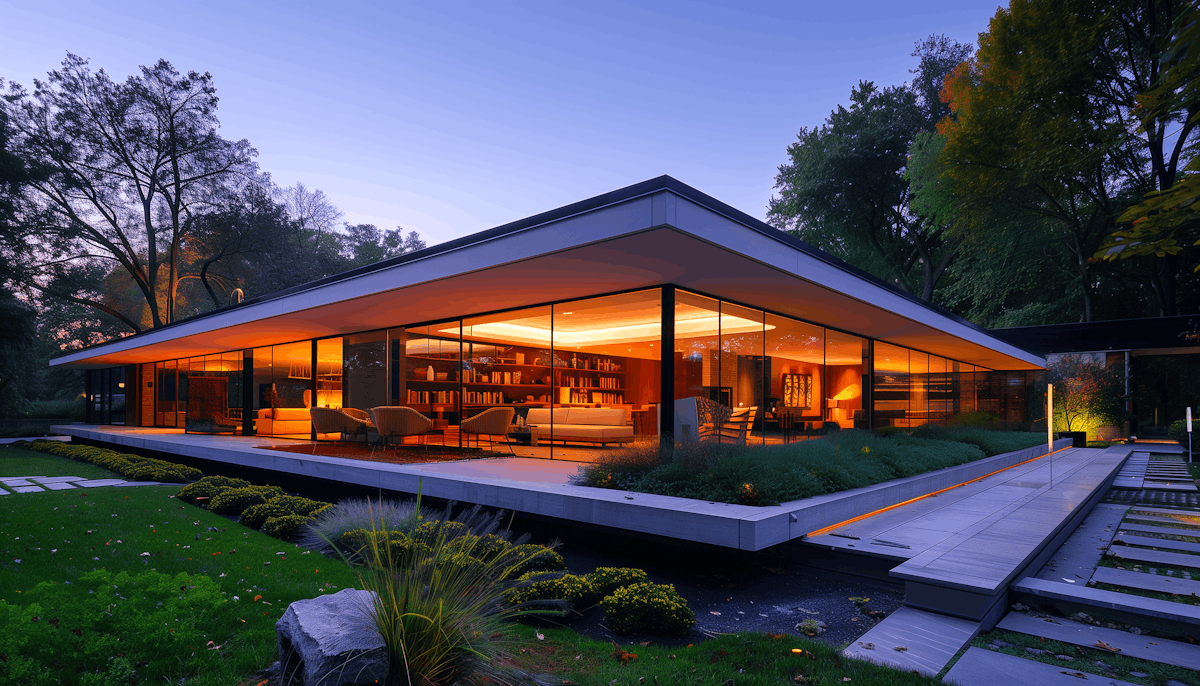
Light is the primary synchronizer of our biological clock. A design that ignores natural light condemns the user to fatigue and insomnia. Neuroarchitecture advocates for spaces that respect light and dark cycles, using strategic openings that let the brain know what time of day it is, thereby improving mood and productivity.
Biophilia: The instinct for natural connection
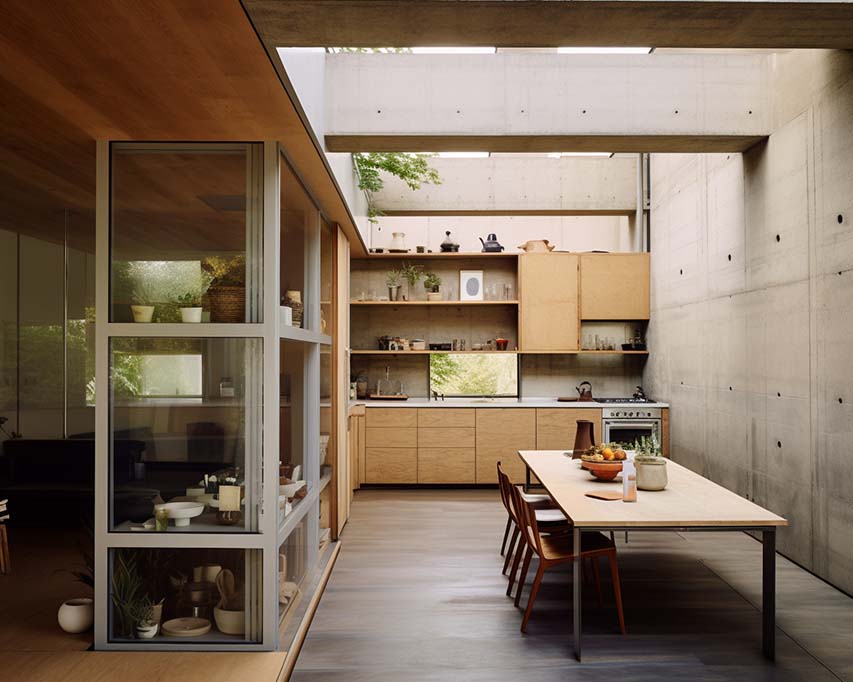
We are not urban beings by nature, but biological ones. Integrating plants, water, organic materials like wood, and outdoor views is not an aesthetic whim. Biophilia reduces stress levels immediately. A space that “breathes” allows the nervous system to relax, feeling that it is not trapped in an inert concrete box.
Geometry, perception, and height
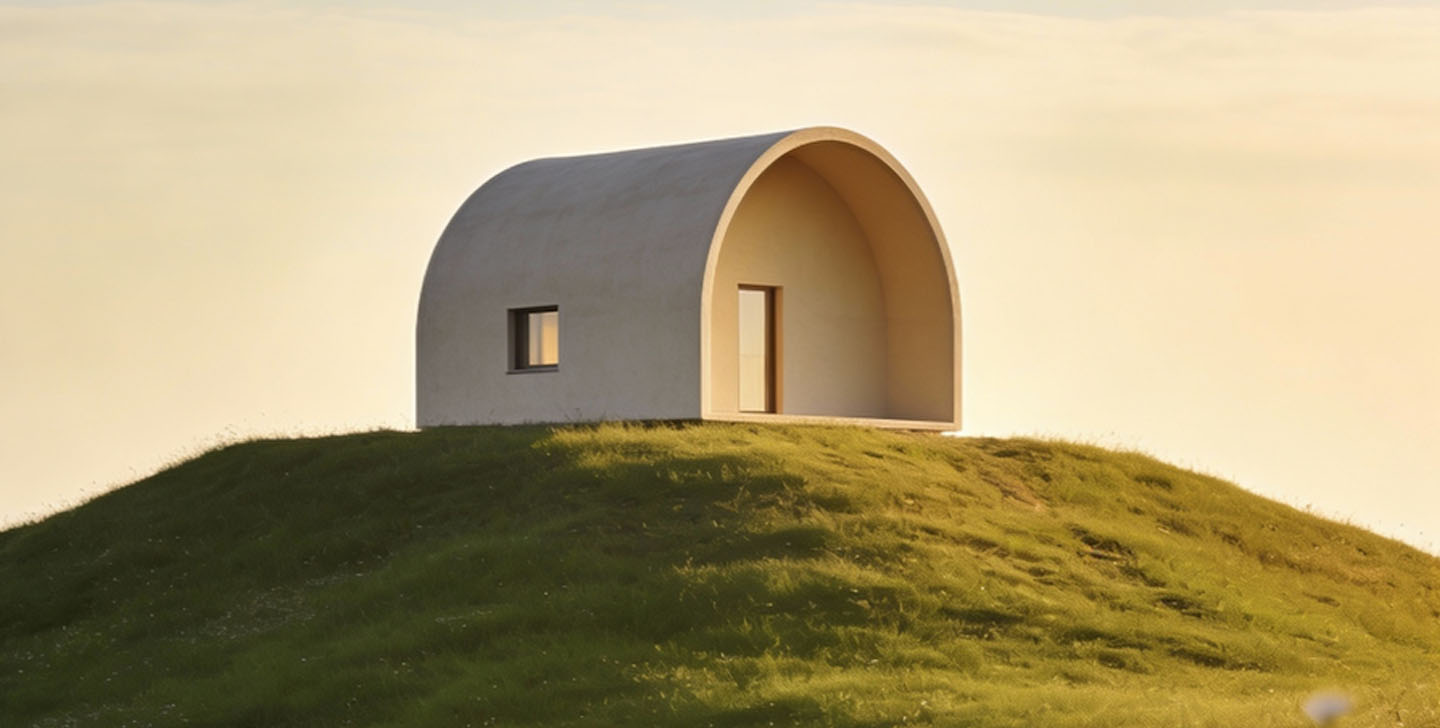
Did you know that high ceilings encourage creative and abstract thinking, while low ceilings favor detailed work and concentration? Or that our brains interpret angular shapes as potential threats, instinctively preferring curves and soft forms? Playing with volume and geometry allows you to guide the user’s cognitive response without them even realizing it.
When design becomes a health ally
You don’t need to imagine the future, as spaces designed under these standards already exist. Imagine healthcare centers where hallways don’t feel like sterile labyrinths, but are instead flooded with light and greenery to reduce patient anxiety. Or coworking spaces where furniture layout and acoustic control are designed to eliminate the “visual noise” that saturates our prefrontal cortex.
These environments are not only more pleasant, but more human. They prove that when we put science at the service of creativity, the result is architecture that embraces, protects, and brings out the best in us. Conscious design is, ultimately, an act of empathy.
Designing as an act of biological responsibility
At the end of the day, the principles of neuroarchitecture invite us to reflect on the trace we leave on the brain chemistry of those who inhabit our work. Every time we choose a material, decide on the height of a lintel, or block a source of natural light, we are intervening, almost surgically, in another person’s well-being.
The design of tomorrow is not measured in square feet, but in the quality of silence, the depth of rest, and the fluidity of the ideas that the space allows to germinate. True innovation is not found in the most advanced software, but in the ability to look inward, toward the mechanisms that make us human, in order to project outward. The question is no longer whether design influences the brain, but what we are going to do with that knowledge.