The Project
Let’s break down the purpose of the piece, in the words of its creator:
“The goal of the Motion piece is, just like Rumi’s poem, to wake people up. We live in a world run by a system that wants us anaesthetised—overwhelmed by constant stimuli that push us into the future or pull us into the past, keeping us from being present in the now.
Many of us haven’t asked who we are or what we want. We move through life according to the rules of a world we don’t quite understand. The most radical act today is to know what you want and live in alignment with whom you truly are.
The work of knowing yourself, facing your own shadow, and taking the leap into the unknown to pursue what you want—that’s what Rumi’s poem means to me. That’s why I’m here, asking for what I really want, trying not to fall back asleep.”
We couldn’t agree more with Susana. Still, a strong idea—or even conviction—on its own isn’t enough. You have to be able to convey it. Rumi did it in a few lines—he’s Rumi, after all—. Susana did it too, with a bit more legwork. Shall we see how?
Don’t go back to sleep, by Susana Ramírez
In general, six pillars are essential when developing a Motion Graphics project: the briefing, the concept, the script, the moodboard, the storyboard, and the production plan. Since we’ve already covered the briefing and the script is the poem itself, we’ll focus on the other four pillars.
The Concept
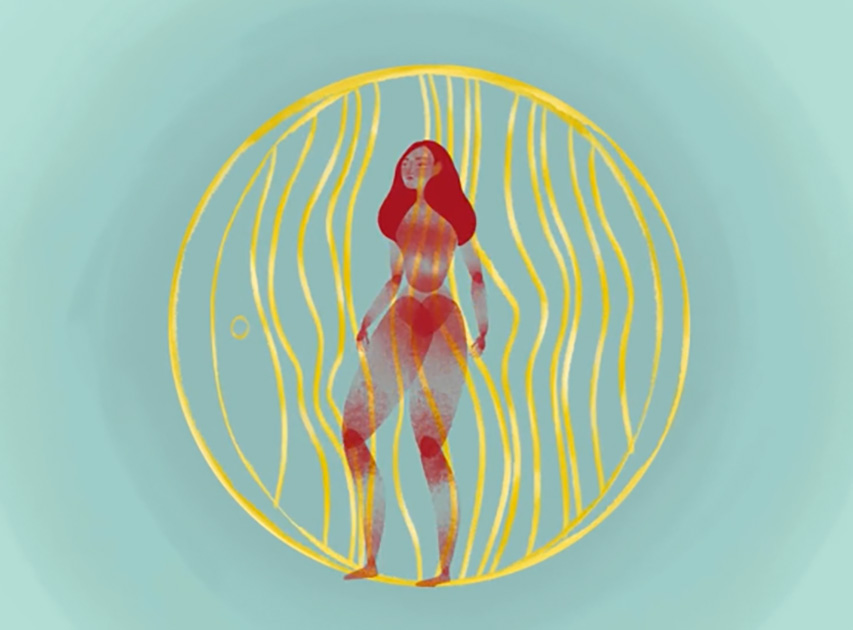
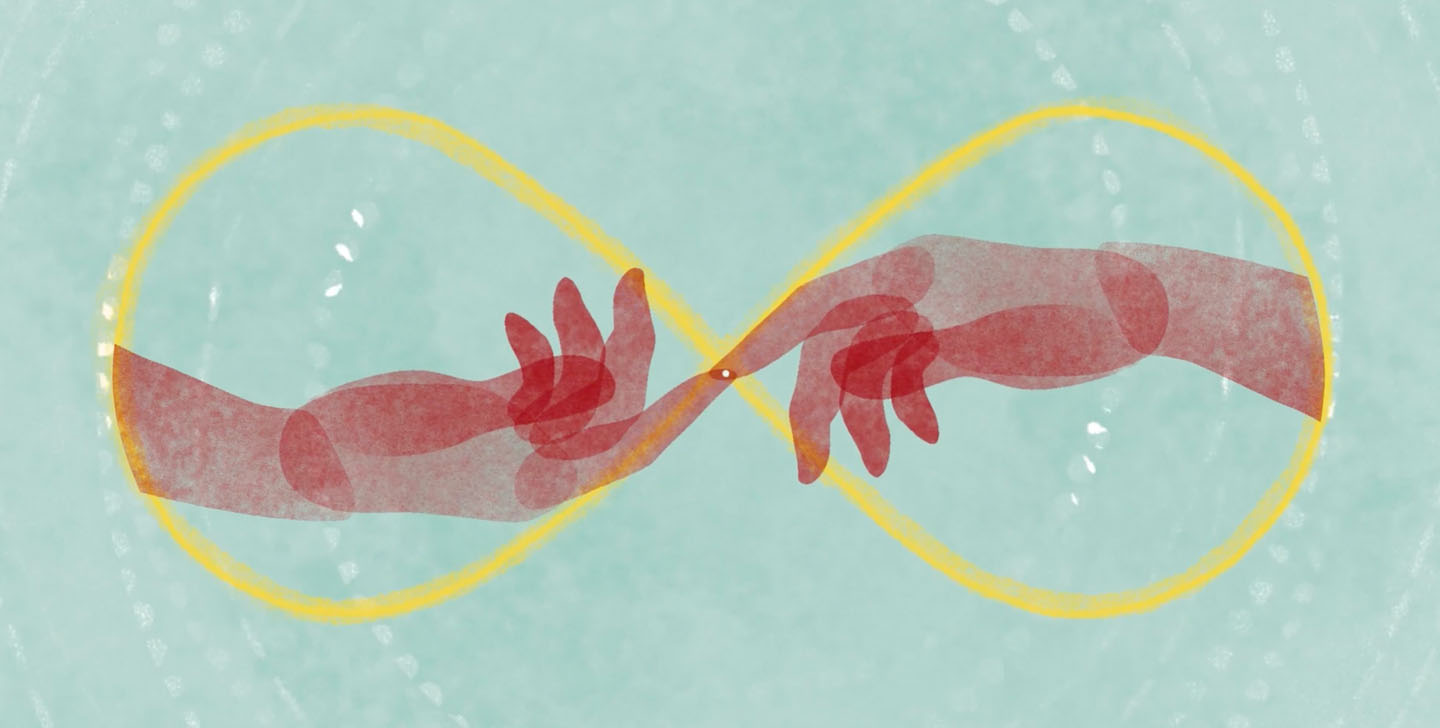
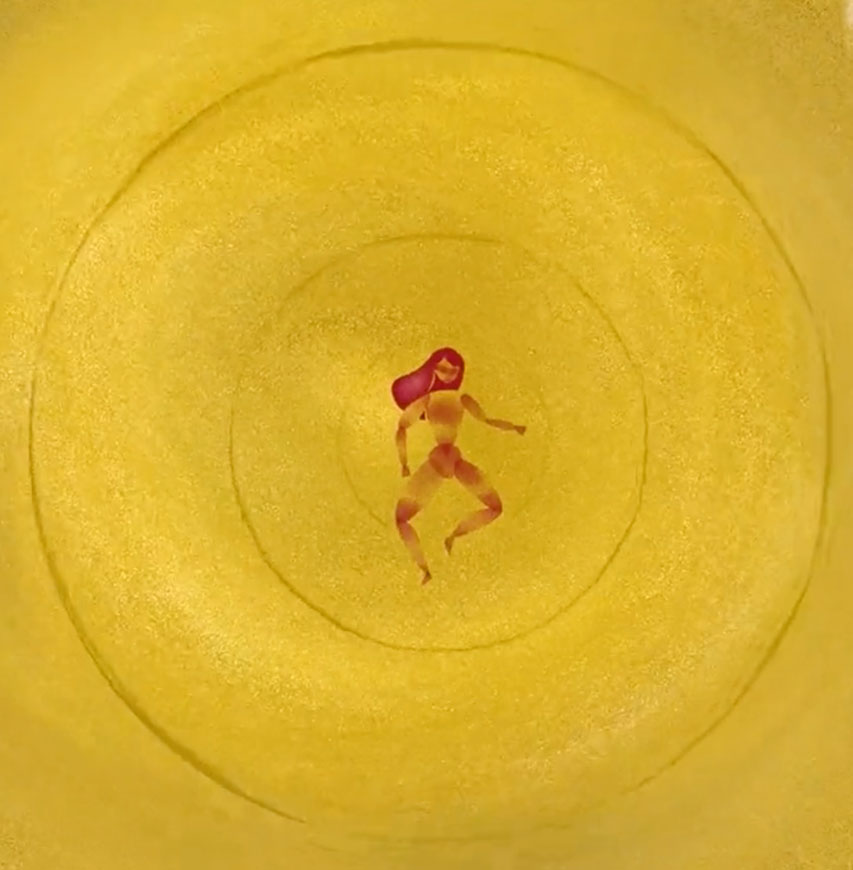
A circle has no beginning and no end, and every point is equidistant from the centre. Symbolically, it expresses the meaning of human life and the universe. This seemingly simple geometric figure captures the continuous flow of time. That’s why the poem explicitly invokes it as the doorway between the conscious and the subconscious.
The Moodboard
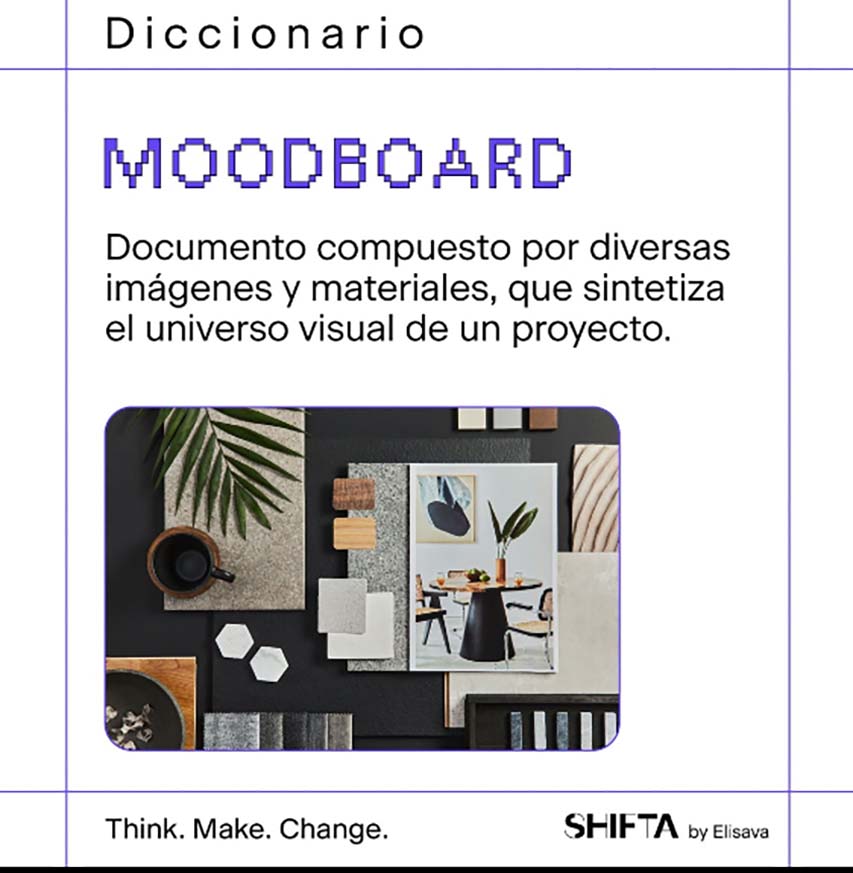
First things first: what’s a moodboard? For anyone unfamiliar, here’s a brief definition pulled from our dictionary, which you can browse on SHIFTA’s Instagram feed.
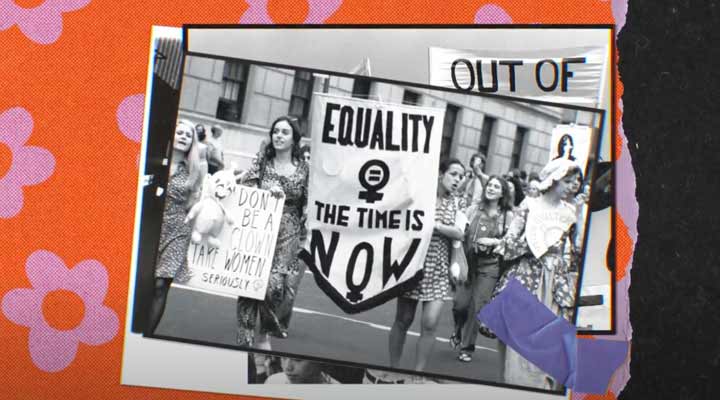
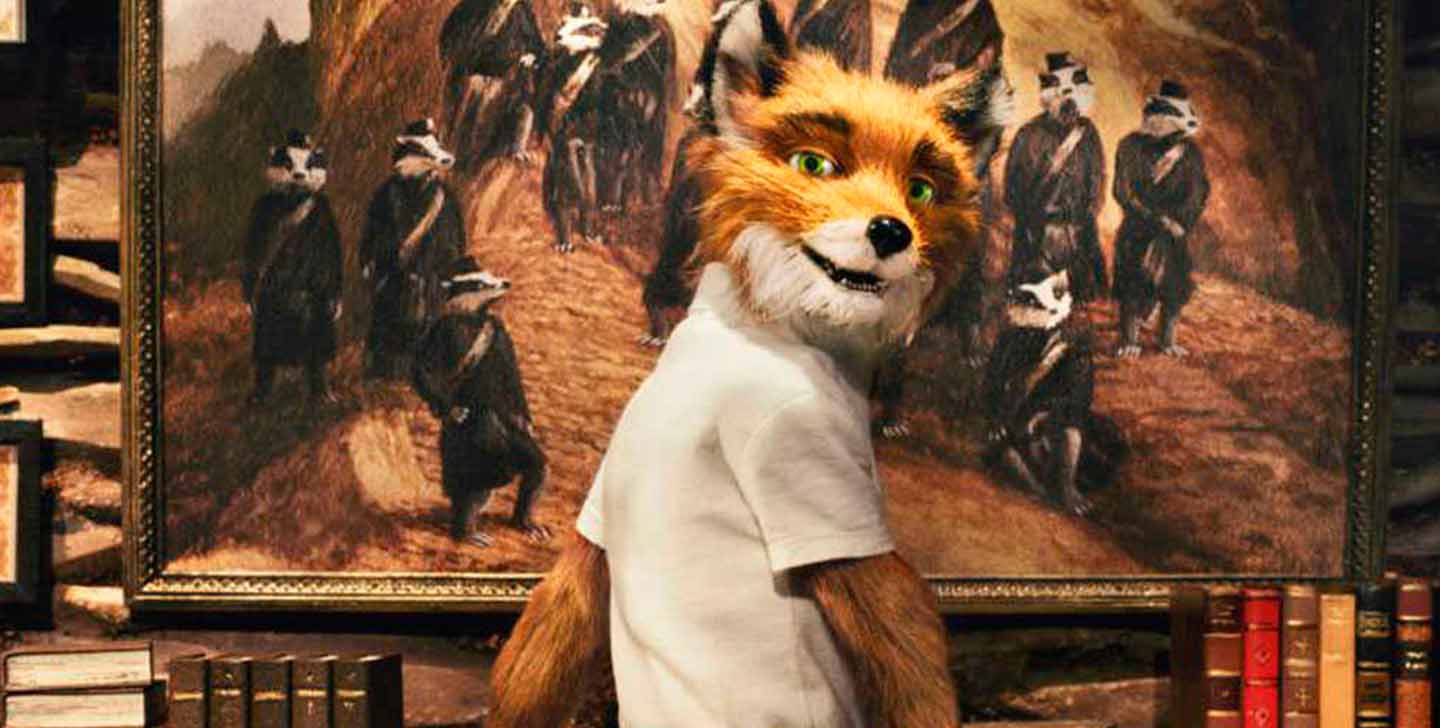
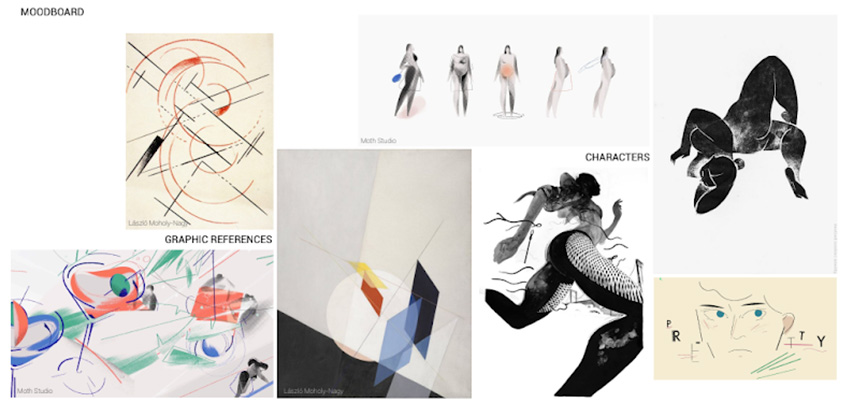
Below is Susana’s moodboard:
The Storyboard
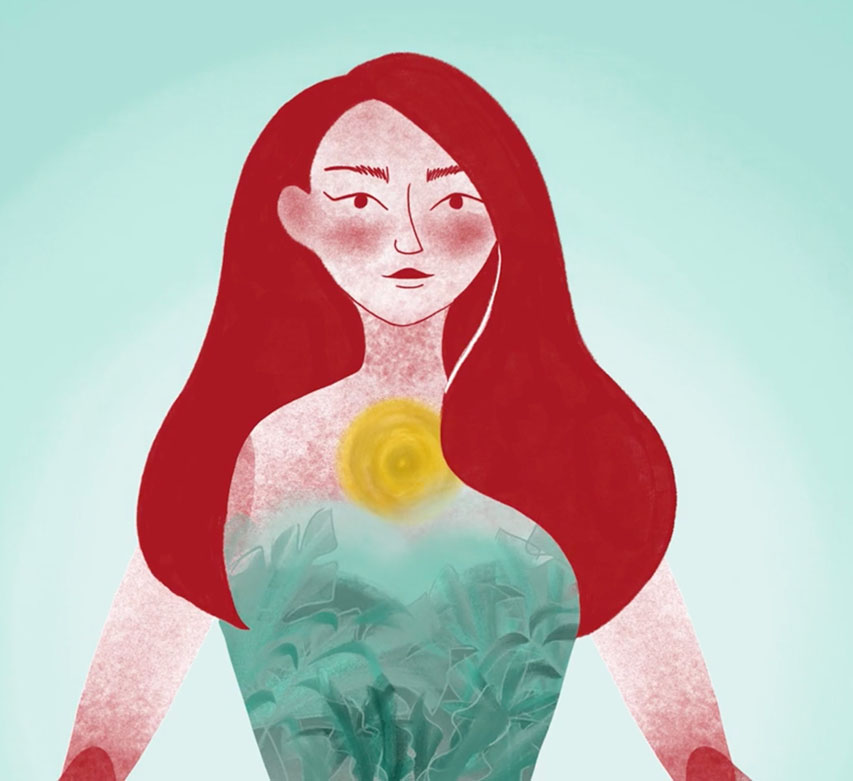
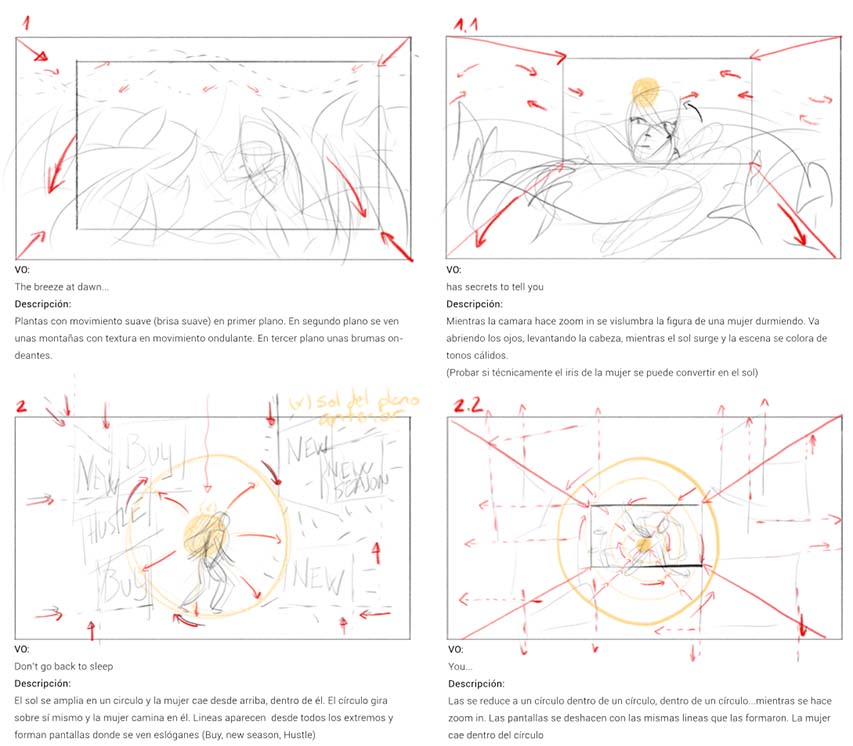
Here you can already glimpse the project almost finished, everything clearly defined and ready to be taken into the digital realm. Below we share the initial boards in detail:
The Production Plan
This project’s plan spans thirteen weeks. The first five focus on the elements we’ve just discussed, while the remaining eight are dedicated to “digitizing” the storyboards. In other words, the more technical production work that brings a motion piece to life.
A master’s student doesn’t jump into this “trickier” phase cold. By then, they’ve completed coursework with hands-on workshops in tools like After Effects, Cinema 4D, and audio.
After months of hard work, talent, and—above all—drive, this delicate piece comes to life and nudges you toward reading an 18th-century Muslim mystic poet. That’s the magic of Motion Graphics.