From Caves to Paper: The Roots of Creativity
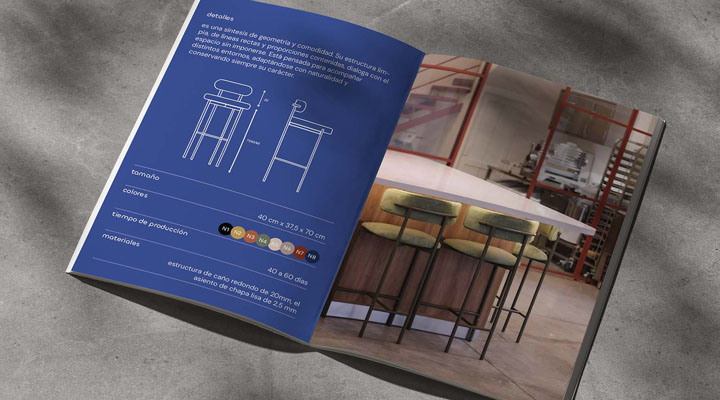
To understand the history of design, we have to go back to the dawn of humanity. The earliest humans felt a fundamental need to communicate and make their mark. Cave paintings, such as those found in Altamira and Lascaux, served not only as artistic expressions, but also as early methods of transmitting information and emotion. Though rudimentary, these first designs laid the groundwork for visual communication.
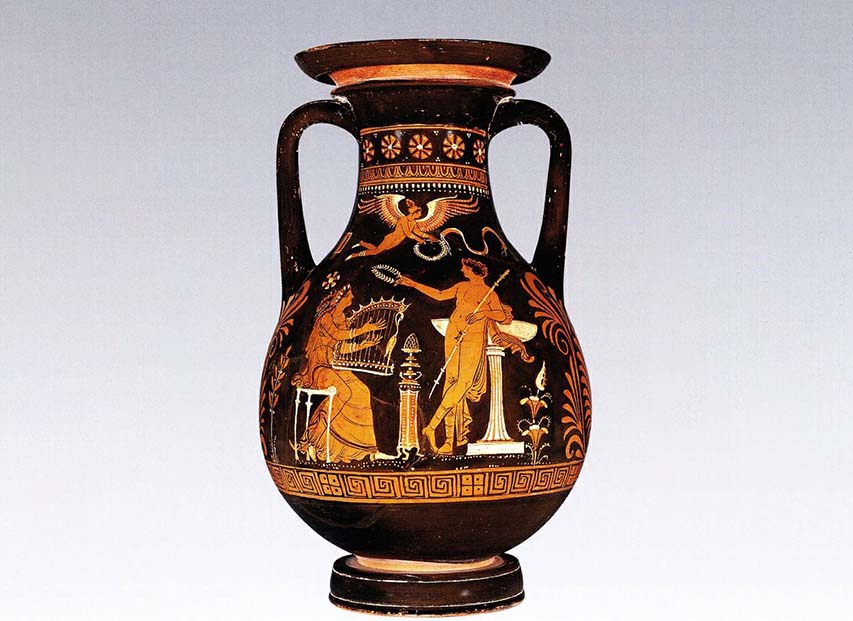
As civilizations evolved, so did design. In Ancient Egypt, hieroglyphics and the architecture of the pyramids reflected a quest for harmony and meaning. In Ancient Greece and Rome, design became closely associated with the concepts of proportion and beauty, which still influence the discipline today. The invention of paper and writing allowed design to expand beyond the monumental, entering daily life through manuscripts, textiles, and decorative objects.
The Arts and Crafts Resistance to the Industrial Revolution
For centuries, creating objects was an artisanal craft, with each piece being unique and handmade. However, the landscape changed dramatically with the arrival of the Industrial Revolution in the early 19th century. This period marked a turning point in the history of design. Manual, artisanal work gave way to mass production by machines, making it possible to create huge volumes of identical pieces. Designed objects were no longer exclusively for the wealthy. For the first time, a single chair or plate could be found in thousands of homes.
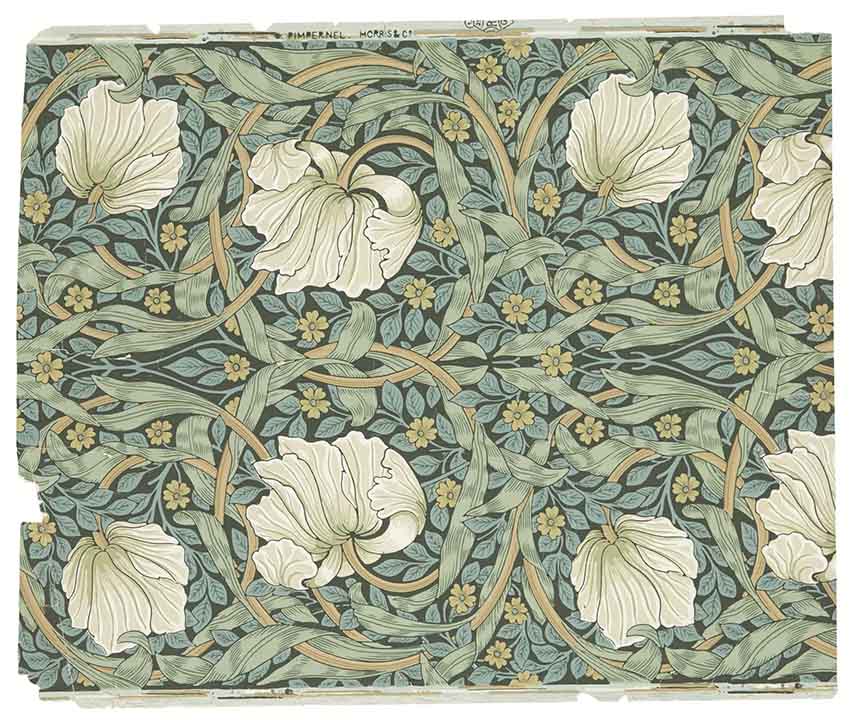
By the late 19th century, the Industrial Revolution had flooded the world with mass-produced goods that were often impersonal and aesthetically poor. In response, the Arts and Crafts movement emerged in Great Britain, led by figures like William Morris. Its philosophy was a rebellion against the machine, championing the value of artisanal work, the beauty of natural materials, and the idea that everyday objects should, above all, be works of art. This movement taught us that design has a soul and that the human connection to objects is essential. A lesson that endures today in our appreciation for handmade products and sustainable design.
Bauhaus and the Birth of Modern Design
If the Arts and Crafts movement viewed industry with suspicion, the next great wave embraced it to change the world. In the early 20th century, avant-garde art movements shattered all the old rules, and design was no exception. This fertile ground gave rise to the most influential school of all time: the Bauhaus in Germany.
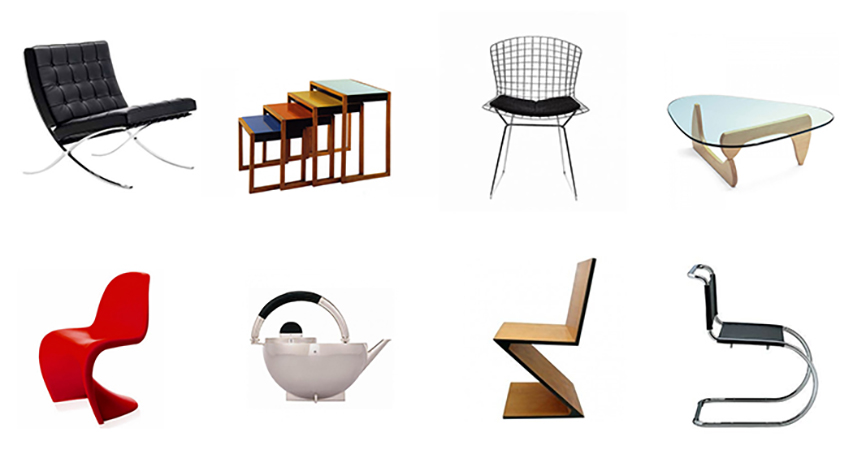
Founded in 1919, Bauhaus set itself the radical mission of unifying all the arts under a single vision. The school championed the idea that design should be accessible, functional, and adapted to an industrial society. Architecture, furniture design, typography, and art were fused with the common goal of creating beautiful, functional objects that could be mass-produced and made available to everyone. The distinction between artist and artisan was erased, giving way to a single figure: a “creator” who understood both form and production.
Contemporary Design in the Digital Era
The arrival of new technologies once again transformed the history of design. The designer’s canvas shifted from paper to the screen. Initially, technical limitations defined the aesthetic, but software soon opened up a universe of possibilities. It was no longer just about creating static objects, but interactive systems. Contemporary design is characterized by its diversity and adaptability. We live in an era where the digital and the physical are intertwined, and where design responds not only to aesthetic needs but also to social, environmental, and technological ones.
Today, design encompasses multiple interconnected disciplines whose boundaries are increasingly blurred, creating a creative ecosystem where multidisciplinary collaboration is the norm. The story of design continues to be written every day as it adapts to new social, technological, and environmental challenges. From sustainability to inclusivity, contemporary designers face issues that go beyond aesthetics and functionality, yet they maintain the same core mission as the builders of the Egyptian pyramids: to improve human life through creative solutions.