What exactly is Graphic Communication?
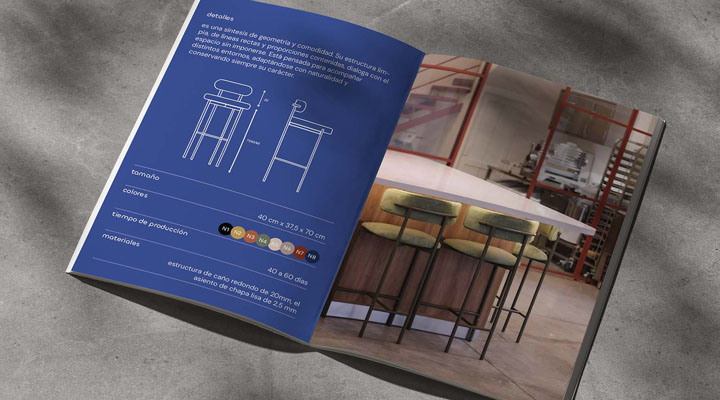
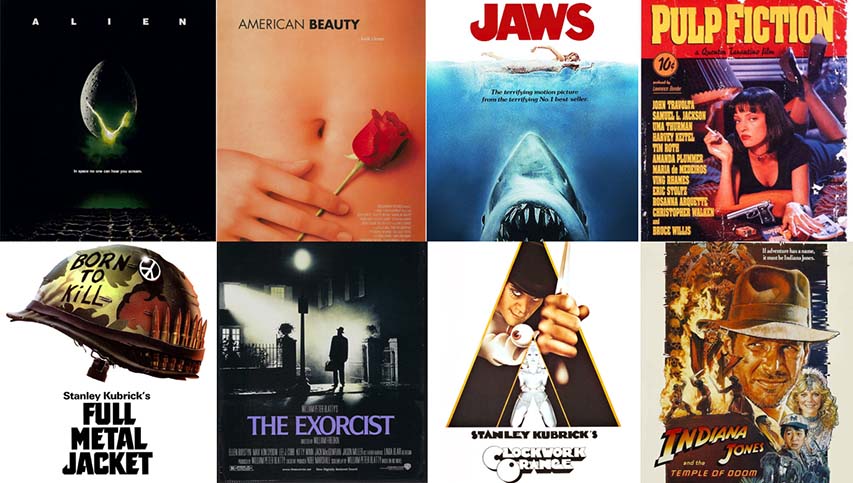
Graphic Communication is the art of conveying a specific message to a particular audience through visual elements. It acts as a direct bridge between your idea and the viewer’s mind. Its aim might be to inform (think of a road sign), educate (like an instruction manual), persuade (such as an advertising poster), or simply evoke emotion (as in a film poster).
What’s truly captivating about Graphic Communication is its power to transcend language and cultural barriers. A well-crafted design can stir emotions, convince, or inform anyone, regardless of their native tongue or background. Unlike pure art, which can be expressive and subjective for its own sake, Graphic Communication always serves a functional purpose. Every colour, line, and patch of white space collaborates to achieve a clear, measurable goal.
The anatomy of a compelling visual message
To craft messages that truly resonate and master Graphic Communication, you need to understand its core components. These are the building blocks of your visual recipe, and knowing how to blend them separates the amateur from the expert.
The Psychology of Color
The psychology of colour forms the heart of Graphic Communication—it’s an emotional trigger that shapes perceptions and influences decisions. A vibrant red can spur action, while a calm blue instils trust. That “Buy Now” button isn’t red by accident. Every colour palette tells a story and elicits a subconscious response. Selecting the right hues is the first step in aligning your message with the emotion you aim to evoke.
The Voice of Typography
If colour is the emotion, typography is the voice and personality of your message. An elegant font might hint at luxury, whereas a bold one shouts innovation. Typographic hierarchy—varying sizes and weights—guides the reader through the content, subtly indicating what’s most important without them having to ponder it.
The Architecture of Composition
Composition is the framework of your design. It’s how you arrange elements in space to create balance, rhythm, and a clear focal point. Clever use of negative space, the rule of thirds, or thoughtful symmetry directs the viewer’s gaze precisely where you want it. A strong composition makes the message easy to absorb, while a poor one breeds chaos and confusion.
The not so secret rules every creator should know
For Graphic Communication to be effective, it must adhere to certain universal principles that ensure the message not only lands but is fully understood.
- Clarity is key: if your audience has to puzzle out your intent, you’ve missed the mark. The message should be straightforward and unambiguous—less is almost always more.
- Coherence means all visual elements pull in the same direction. Sticking to consistent colours, fonts, and styles across your communications builds a solid, recognisable brand identity.
- Relevance ensures the design matches both the content and the audience. A playful, childlike design for a financial report is as out of place as a stiff corporate look for a music festival.
- Simplicity avoids overwhelming with extras. A clean, focused design packs more punch than one cluttered with unnecessary flourishes that distract from the core message.
From your favourite influencer's Instagram to your cereal box logo
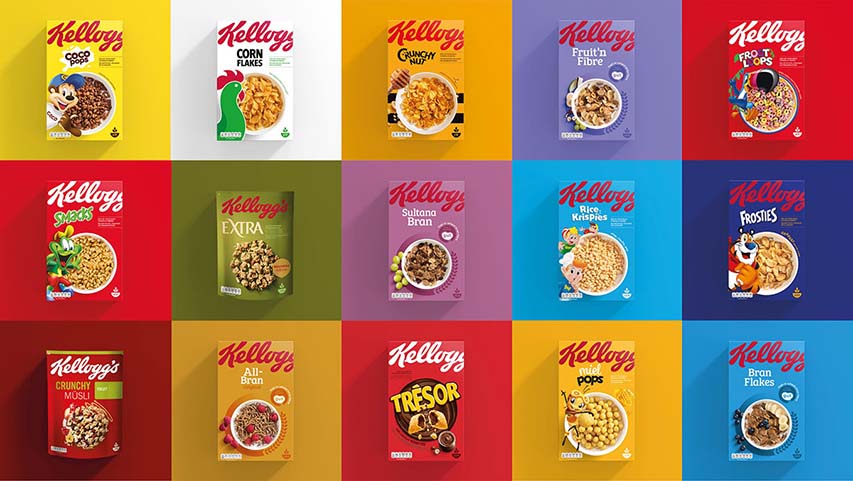
Graphic Communication is everywhere you look. Consider the branding on your go-to cereal packet: the logo, colours, and packaging all work in harmony to make it instantly recognisable. Your Instagram feed is packed with these tactics too. The visual consistency in an influencer’s posts is a prime example of Graphic Communication building a personal brand.
Graphic Communication goes far beyond mere technical skill—it’s a mindset and an essential strategic tool for any creative professional. It’s your ticket to a realm of creative possibilities. From its fundamentals to more advanced principles, mastering it positions you as a leader in digital design. Don’t settle for the ordinary: provoke, innovate, and connect.